
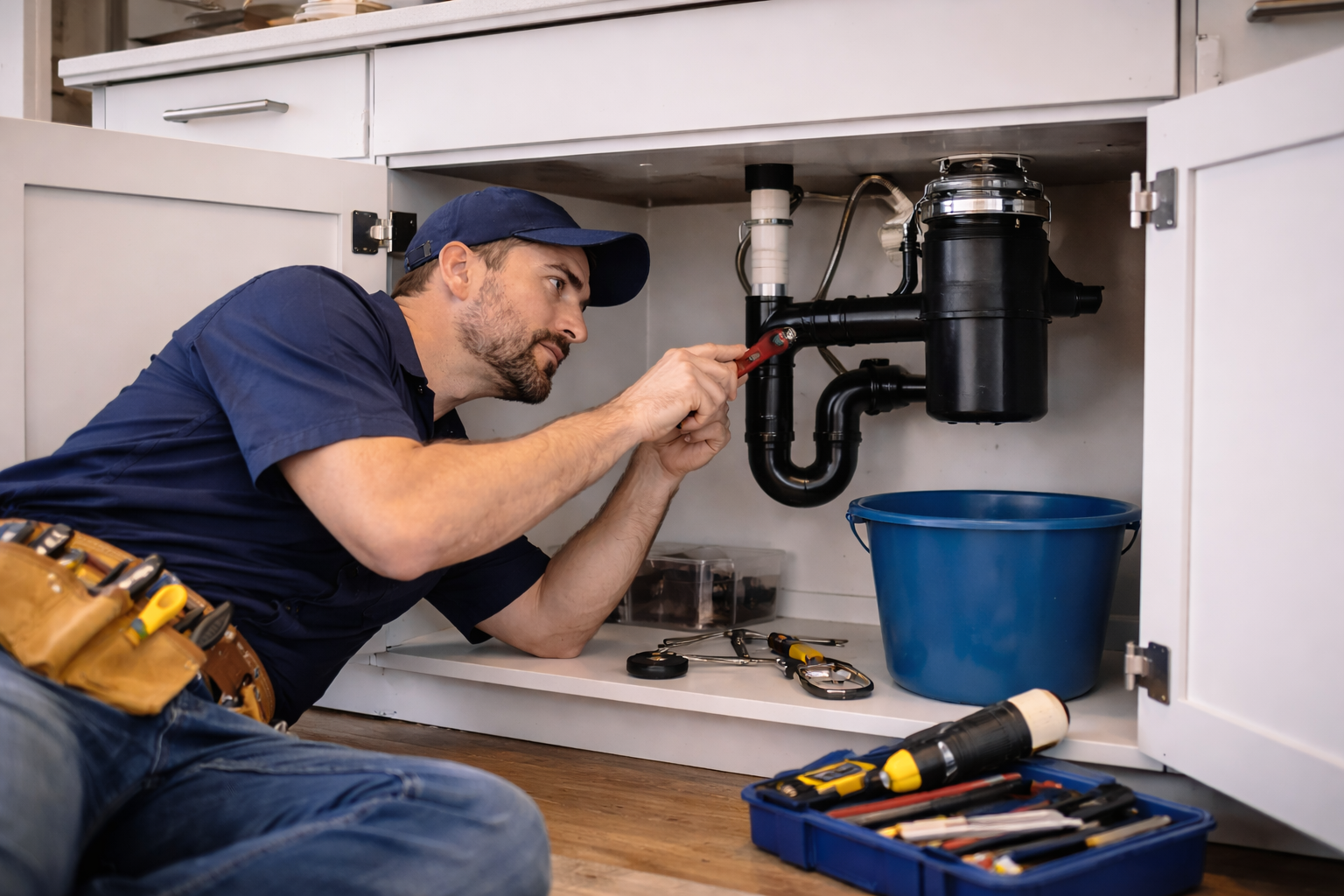
Emergency Repairs Guide
Emergency repairs involve urgent conditions that threaten safety, health, or property integrity. A clear response plan helps landlords act quickly, limit damage, and stay compliant.
What counts as an emergency repair
An emergency repair is a condition that poses an immediate risk to people or property. These issues require prompt action, often outside normal business hours.
- Threatens health or safety
- Risks significant property damage
- Impacts basic habitability
- Cannot reasonably wait
Common rental emergencies
Water and plumbing
- Burst pipes
- Major leaks
- Sewer backups
Electrical hazards
- Power loss to the unit
- Exposed wiring
- Sparking outlets
Heating and cooling failures
- No heat during cold weather
- No cooling during extreme heat
Safety and security
- Broken exterior doors
- Fire damage
- Gas odors
What is not an emergency
Not every repair requires immediate response. Clear definitions help manage expectations.
- Cosmetic issues
- Minor appliance problems
- Non urgent maintenance requests
- Issues that do not affect safety
These are handled through routine maintenance scheduling.
Emergency repair response steps
- Tenant reports the emergency immediately
- Landlord confirms severity and safety
- Emergency service provider is contacted
- Temporary mitigation if needed
- Permanent repair and documentation
Documentation protects both parties.
Landlord responsibilities during emergencies
- Respond promptly
- Use qualified vendors
- Communicate clearly with tenants
- Restore habitability as quickly as possible
Tenant responsibilities during emergencies
- Report issues immediately
- Take reasonable steps to prevent further damage
- Allow access for repairs
- Follow emergency instructions
Clear lease language helps avoid confusion.
Emergency repairs and Fair Housing
Emergency repairs must be handled consistently across comparable units.
- Equal response times
- Consistent vendor use
- Clear documentation
- Objective prioritization
For compliance context, review Fair Housing Screening Rules.
Best practices for emergency repair planning
- Maintain an emergency vendor list
- Provide tenants with clear reporting instructions
- Document all emergency actions
- Review incidents after resolution
- Integrate emergencies into maintenance planning
Common emergency repair mistakes
- Delaying response
- Poor communication
- Lack of documentation
- No emergency plan
Need help handling emergency repairs?
We help landlords respond to emergencies quickly while protecting their properties.
Related maintenance pages
Emergency repair FAQs
What should a tenant do first during an emergency?
Can tenants arrange emergency repairs themselves?
Own rentals in Florida and need help buying or selling investment property? Visit Golden Hour Real Estate. Need financing for rental properties? Visit 360 Mortgage. Need insurance guidance for rentals? Visit Henson Agency.