
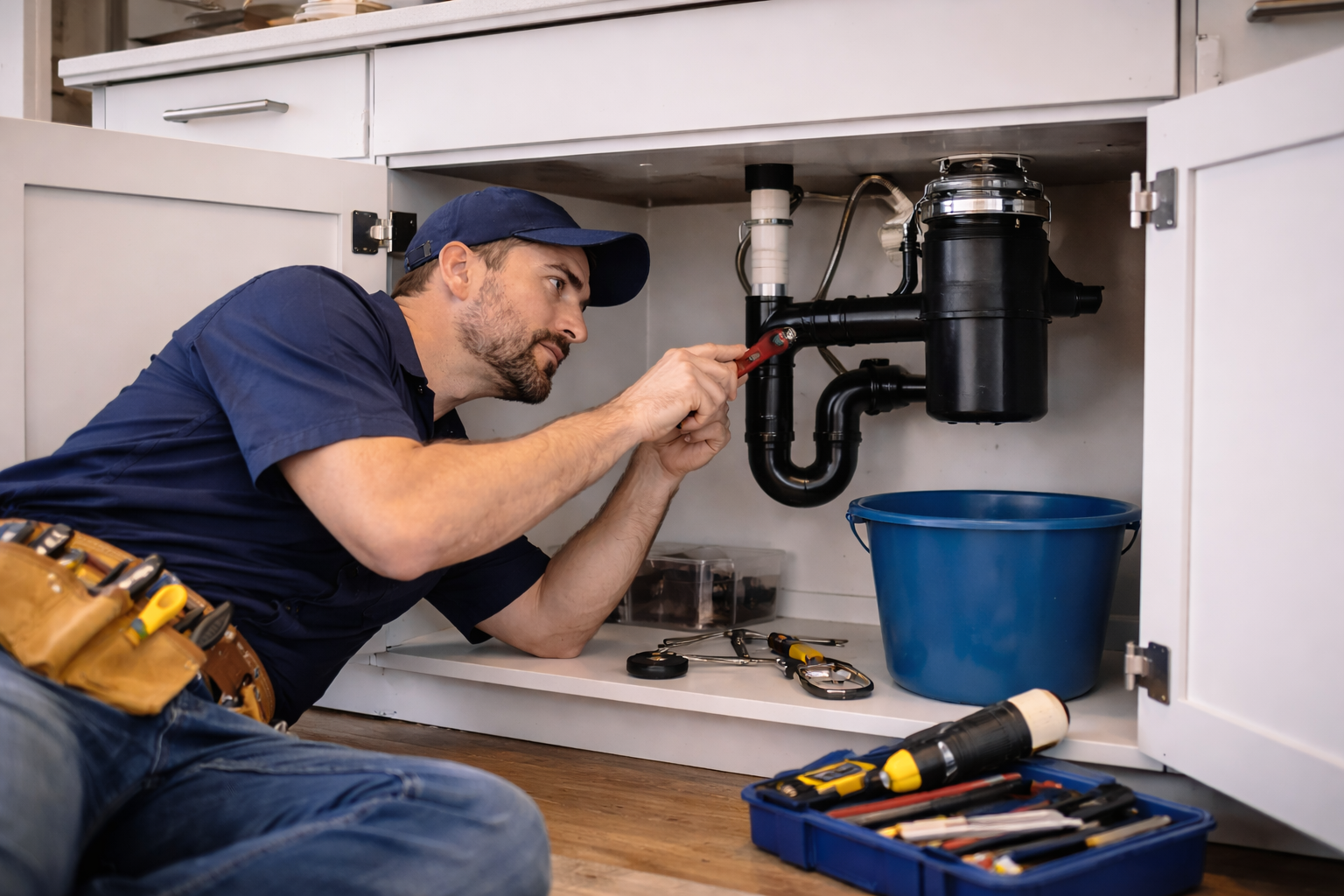
Maintenance Budgeting
Maintenance budgeting helps landlords plan for routine repairs, unexpected issues, and long term capital needs. A realistic budget reduces financial stress and protects property value.
Why maintenance budgeting matters
Without a maintenance budget, small issues often turn into expensive emergencies. Budgeting creates predictability and supports better decision making.
- Smooths cash flow
- Reduces emergency spending
- Supports proactive repairs
- Protects long term asset value
Common maintenance cost categories
Routine and preventive
- HVAC servicing
- Plumbing inspections
- Pest control
- Minor repairs
Unexpected repairs
- Emergency plumbing
- Electrical failures
- Storm damage
- Appliance breakdowns
How to estimate a maintenance budget
- Review historical maintenance costs
- Account for property age and condition
- Plan for seasonal expenses
- Include a contingency buffer
Documentation helps refine estimates over time. See Maintenance Documentation.
Budgeting for emergencies and replacements
Major systems eventually fail. Budgeting for replacements avoids rushed decisions.
- Set aside reserves for large items
- Plan phased replacements
- Use repair vs replace analysis
Related: Repair vs Replace Decisions.
Maintenance budgeting and Fair Housing
Budget constraints do not excuse unequal maintenance treatment.
- Consistent maintenance standards
- Equal response to issues
- Objective prioritization
- Documented decisions
For compliance context, review Fair Housing Screening Rules.
Need help planning a maintenance budget?
We help landlords build realistic maintenance budgets aligned with property needs and cash flow.
Related maintenance pages
Maintenance budgeting FAQs
How much should landlords budget for maintenance?
Should maintenance reserves be separate?
Own rentals in Florida and need help buying or selling investment property? Visit Golden Hour Real Estate. Need financing for rental properties? Visit 360 Mortgage. Need insurance guidance for rentals? Visit Henson Agency.