
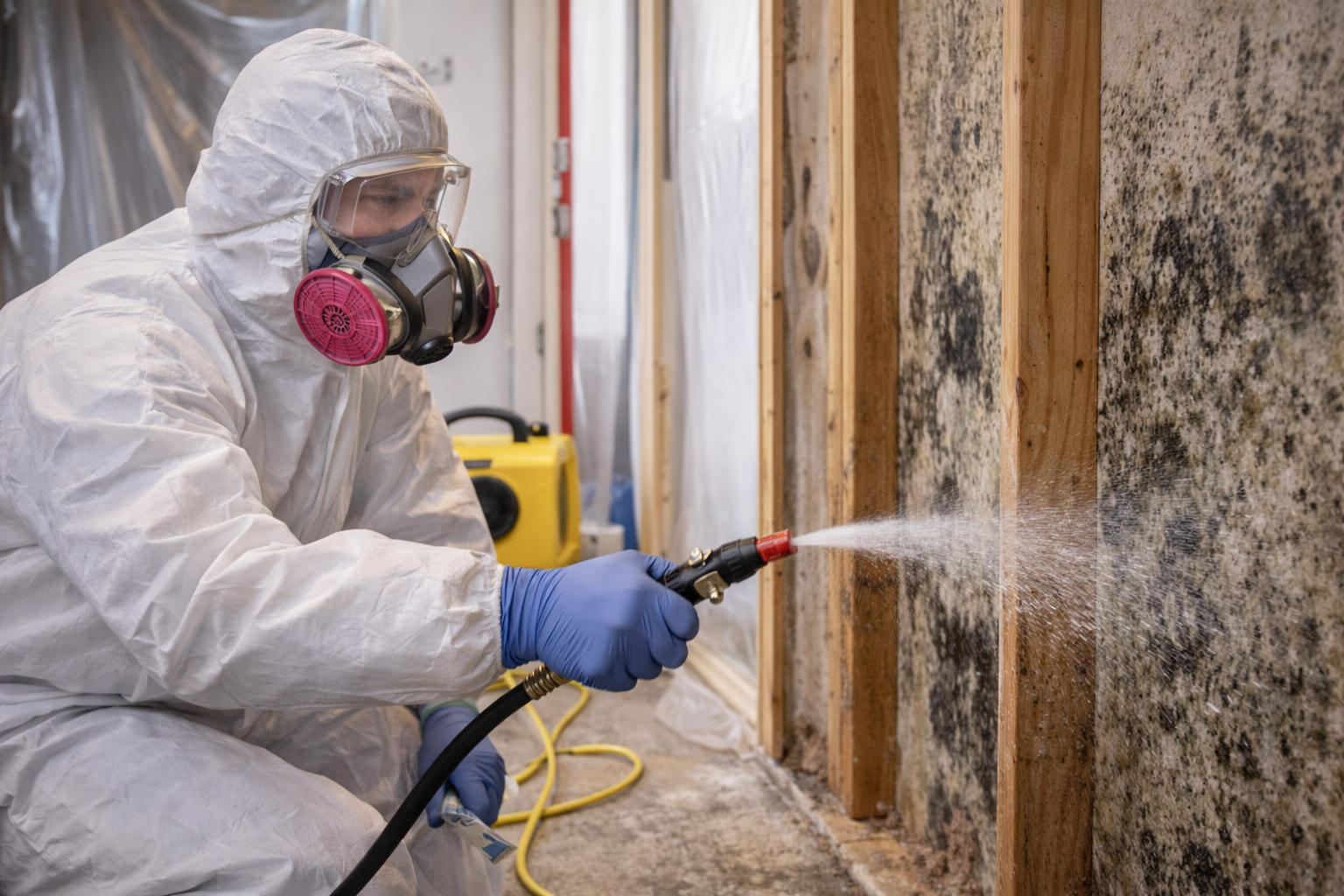
Mold Prevention
Mold prevention protects tenant health and preserves property condition. Moisture control, ventilation, and prompt maintenance are the foundation of preventing mold growth in rental housing.
Why mold prevention matters
Mold grows where moisture and poor airflow exist. Preventing mold reduces health risks, limits liability, and avoids costly remediation.
- Protects indoor air quality
- Prevents damage to walls and flooring
- Supports habitability standards
- Reduces disputes and turnover
Common causes of mold in rentals
Moisture intrusion
- Roof or plumbing leaks
- Poor drainage
- Water intrusion after storms
Ventilation issues
- Non functioning exhaust fans
- Blocked vents
- Poor airflow in bathrooms
Humidity
- High indoor humidity
- Improper use of air conditioning
- Lack of dehumidification
Delayed maintenance
- Unreported leaks
- Slow repair response
- Ignored condensation
Mold situations that may be emergencies
- Visible mold spreading rapidly
- Strong musty odors
- Water damage with active leaks
- Health complaints linked to moisture
These may require urgent action. See Emergency Repairs Guide.
Landlord responsibilities for mold prevention
- Maintain roofs and plumbing
- Provide working ventilation
- Address water issues promptly
- Document inspections and repairs
Related: Landlord Maintenance Responsibilities.
Tenant role in mold prevention
- Report leaks immediately
- Use exhaust fans during bathing and cooking
- Maintain reasonable indoor humidity
- Avoid blocking airflow
Expectations should be clearly addressed in the lease.
Preventive mold control best practices
- Inspect for leaks during routine visits
- Maintain gutters and drainage
- Service air conditioning systems
- Educate tenants on moisture control
Mold prevention and Fair Housing
Mold concerns must be handled consistently across comparable units.
- Equal response times
- Consistent inspection standards
- Clear documentation
- Objective prioritization
For compliance context, review Fair Housing Screening Rules.
Need help preventing mold?
We help landlords identify moisture risks and implement practical mold prevention plans.
Related maintenance pages
Mold prevention FAQs
Is mold always a landlord responsibility?
Can mold be prevented completely?
Own rentals in Florida and need help buying or selling investment property? Visit Golden Hour Real Estate. Need financing for rental properties? Visit 360 Mortgage. Need insurance guidance for rentals? Visit Henson Agency.