
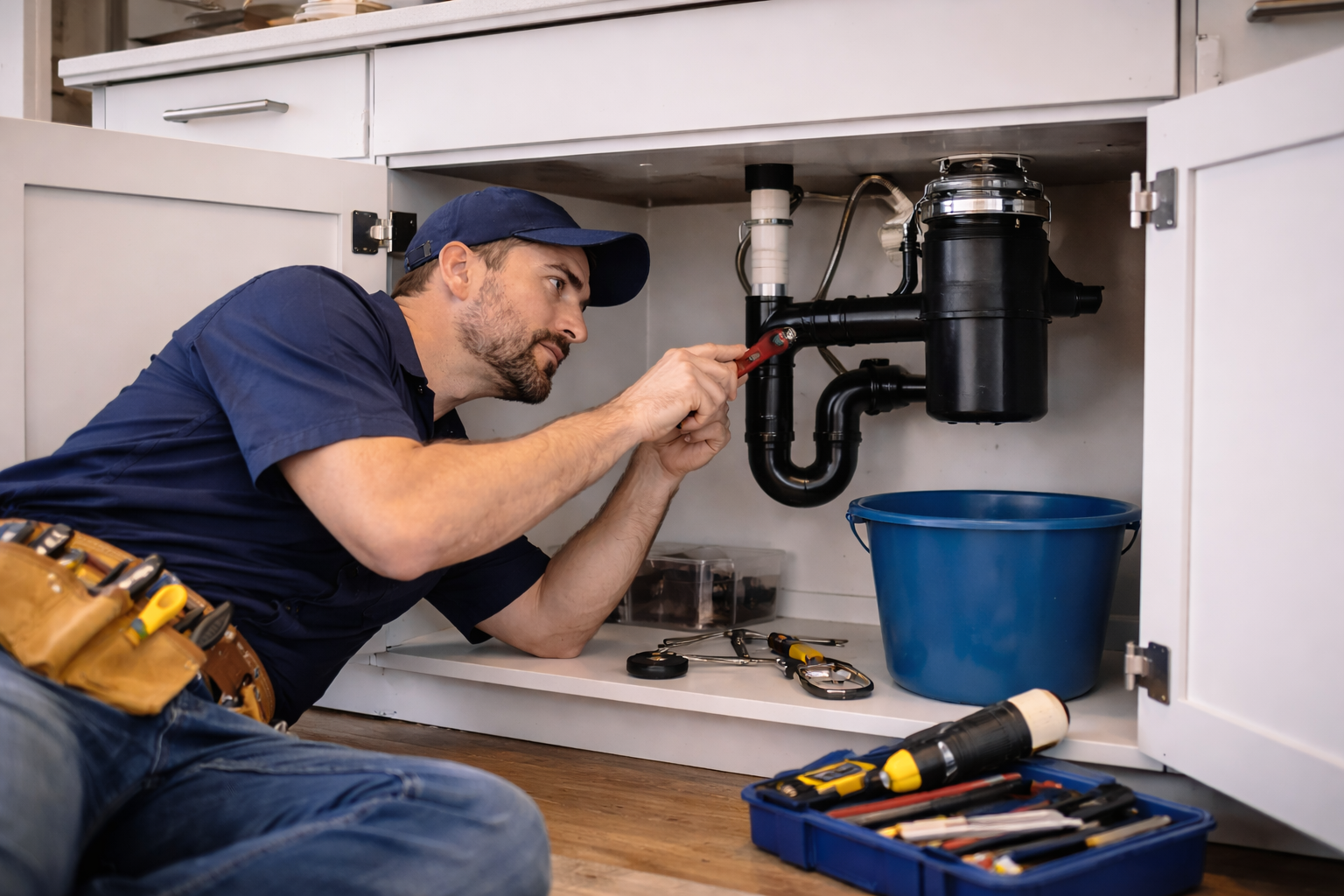
Repair vs Replace Decisions
Deciding whether to repair or replace an item is a common challenge for landlords. The right decision balances safety, cost, remaining lifespan, and long term property value.
Why repair vs replace matters
Poor repair decisions often lead to repeat failures, higher long term costs, and tenant dissatisfaction. Thoughtful evaluation helps protect both cash flow and habitability.
- Controls maintenance expenses
- Reduces repeat service calls
- Improves reliability and safety
- Supports long term asset value
Key factors in repair vs replace decisions
Age and remaining lifespan
- Expected useful life
- Frequency of past repairs
- Obsolete parts or systems
Cost comparison
- Repair cost versus replacement cost
- Future repair risk
- Energy efficiency savings
Safety and habitability
- Electrical or gas risks
- Water damage potential
- Code compliance concerns
Tenant impact
- Loss of essential services
- Recurring disruptions
- Perceived property quality
When repair usually makes sense
- Item is relatively new
- Repair cost is minor
- No safety concerns exist
- Failure is isolated
When replacement is often the better choice
- Frequent breakdowns
- High repair costs relative to value
- Safety or code compliance issues
- End of useful life
Repair vs replace for emergency situations
Emergencies may require temporary repairs followed by planned replacement.
- Stop the immediate hazard
- Restore essential services
- Plan permanent replacement
Related: Emergency Repairs Guide.
Documentation and consistency
Documenting repair versus replacement decisions helps demonstrate reasoned and consistent maintenance practices.
- Cost comparisons
- Vendor recommendations
- Photos and inspection notes
- Decision rationale
Repair decisions and Fair Housing
Repair and replacement standards should be applied consistently across comparable units.
- Consistent thresholds for replacement
- Uniform safety standards
- Documented criteria
- Objective decision making
For compliance context, review Fair Housing Screening Rules.
Need help making repair decisions?
We help landlords evaluate repair versus replacement decisions with long term cost and risk in mind.
Related maintenance pages
Repair vs replace FAQs
Is replacement always better than repair?
Can tenants demand replacement?
Own rentals in Florida and need help buying or selling investment property? Visit Golden Hour Real Estate. Need financing for rental properties? Visit 360 Mortgage. Need insurance guidance for rentals? Visit Henson Agency.