
Direct answer
What should I know about Service Animals Rules?
Service Animals Rules helps rental owners make a clearer decision about leasing, tenant screening, cash flow, risk and long-term property performance. The best answer depends on the property, local demand, rent readiness, owner goals, legal requirements and the cost of vacancy or mistakes.
Key points before you decide
- Start with the owner objective: stable income, lower vacancy, stronger screening, better systems or a decision to keep or sell.
- Measure the issue in dollars and time, including vacancy, repairs, leasing delays, compliance risk and management effort.
- Use a documented process so tenant decisions, leasing steps and owner expectations are consistent.
Service Animals Rules
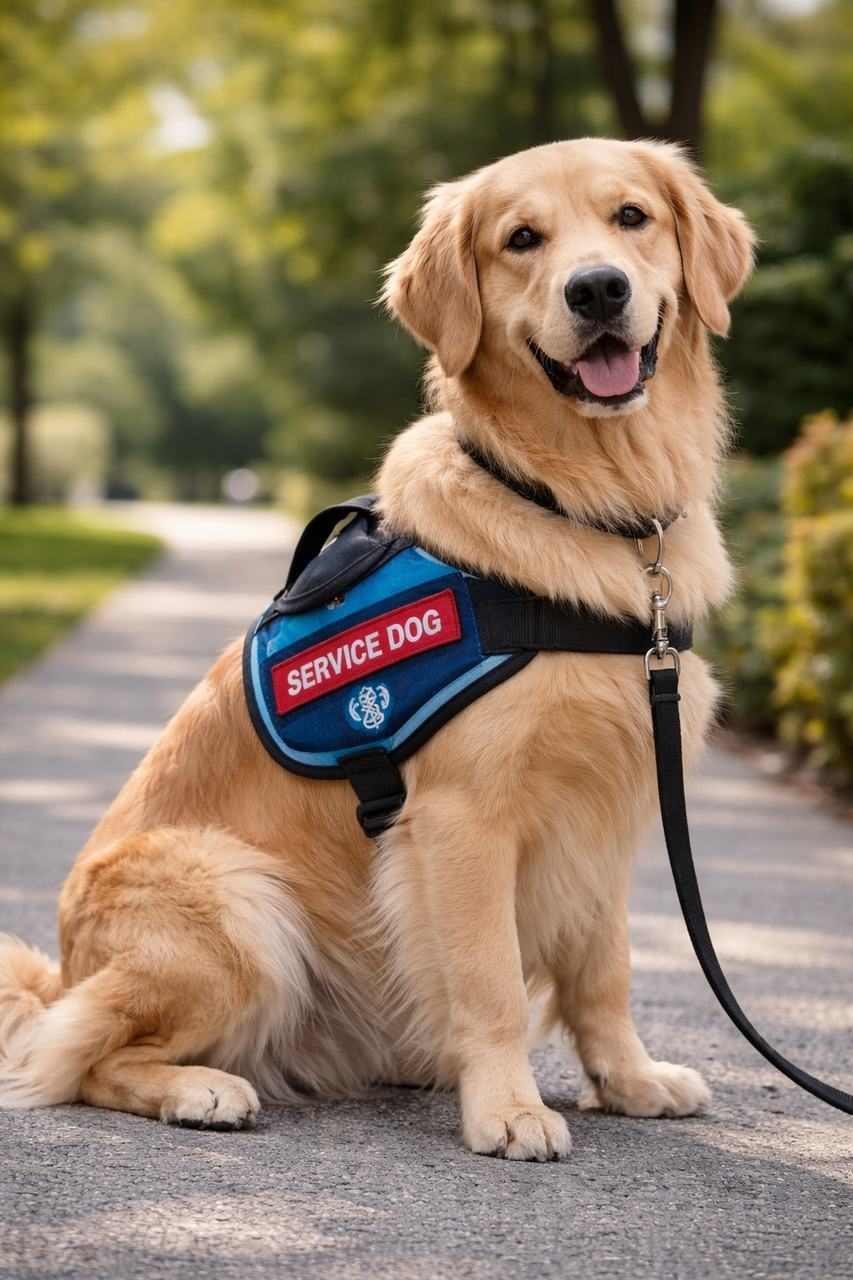
Service animals are protected under fair housing law as a form of reasonable accommodation. Landlords must understand what qualifies as a service animal and how to handle requests correctly.
What is a service animal
A service animal is an animal that is trained to perform specific tasks for a person with a disability. These tasks must be directly related to the individual’s disability.
- Protected under the Fair Housing Act
- Considered a reasonable accommodation
- Requires task based training
- Most commonly dogs
Service animals versus emotional support animals
Service animals and emotional support animals are both protected but follow different standards.
- Service animals perform trained tasks
- Emotional support animals provide therapeutic support
- Training is required only for service animals
- Both are not considered pets
Related reading: Emotional Support Animals.
What landlords may ask
When the need for a service animal is not obvious, landlords may ask limited questions.
- Whether the animal is required due to a disability
- What tasks the animal is trained to perform
- No request for medical records
- No demand for proof of certification
Fees and pet policies
Service animals are not pets. Standard pet policies do not apply.
- No pet fees or pet rent
- No breed or weight limits
- No additional deposits
- Normal conduct rules still apply
Related: Pet Policies.
Behavior and property damage
- Tenants are responsible for damages
- Animals must be under control
- Health and safety rules apply
- Issues should be documented
Documentation guidance: Maintenance Documentation.
When a service animal request may be denied
Denials must be based on lawful and documented reasons.
- Direct threat to health or safety
- Substantial property damage risk
- No disability related connection
- Undue financial or administrative burden
Service animals and Fair Housing compliance
Mishandling service animal requests is a common source of fair housing complaints.
- Consistent evaluation standards
- Prompt responses
- Clear documentation
- No retaliation
Legal foundation: Fair Housing Act Basics.
Need help handling service animal requests
We help landlords evaluate service animal requests correctly and remain compliant with fair housing law.
Related fair housing pages
Service animal FAQs
Can landlords require proof of training
Can a service animal be denied due to insurance rules
Own rentals in Florida and need help buying or selling investment property Visit Golden Hour Real Estate. Need financing for rental properties Visit 360 Mortgage. Need insurance guidance for rentals Visit Henson Agency.
Frequently asked questions
What should owners know about Service Animals Rules?
Service Animals Rules should be evaluated as a practical operating decision, not just a one-time task. Small process gaps can affect vacancy, risk and cash flow.
When should a landlord ask for help?
A landlord should ask for help when vacancy, screening, maintenance coordination, legal notices or decision fatigue start affecting the property’s performance.
What is the next step?
The next step is to compare the current rental process against a documented management or leasing plan and identify the highest-cost bottleneck.