
Direct answer
What should I know about Pest Control?
Pest Control helps rental owners make a clearer decision about leasing, tenant screening, cash flow, risk and long-term property performance. The best answer depends on the property, local demand, rent readiness, owner goals, legal requirements and the cost of vacancy or mistakes.
Key points before you decide
- Start with the owner objective: stable income, lower vacancy, stronger screening, better systems or a decision to keep or sell.
- Measure the issue in dollars and time, including vacancy, repairs, leasing delays, compliance risk and management effort.
- Use a documented process so tenant decisions, leasing steps and owner expectations are consistent.
Pest Control
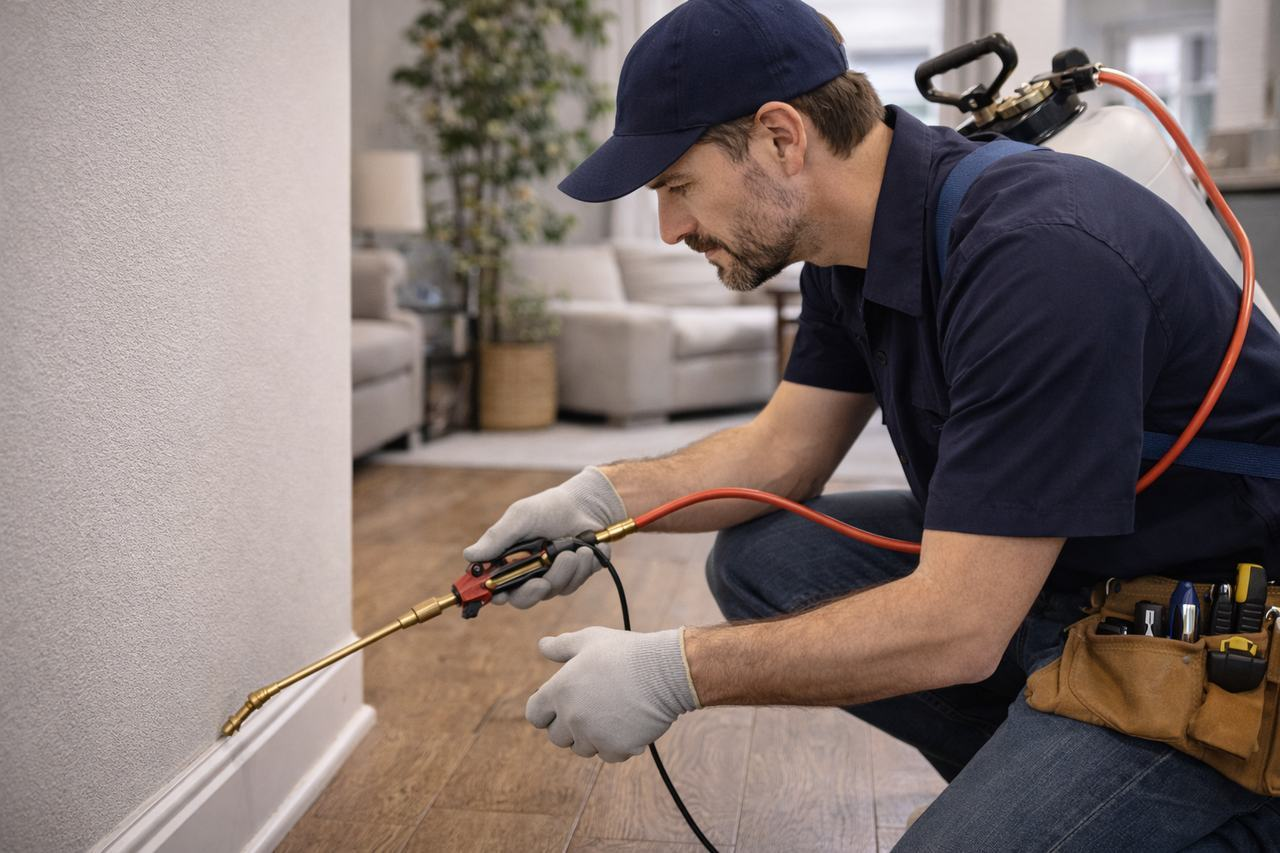
Pest control is an important part of maintaining safe and habitable rental properties. Clear responsibility, timely treatment, and preventive steps help avoid health issues, property damage, and tenant disputes.
Why pest control matters in rentals
Pests can create health risks, damage property, and quickly escalate if not addressed. Landlords are generally responsible for providing a pest free, habitable home at move in.
- Protects tenant health and safety
- Prevents structural and cosmetic damage
- Supports habitability standards
- Reduces long term costs
Common rental pests
Insects
- Ants
- Roaches
- Bed bugs
- Fleas
Rodents and wildlife
- Mice and rats
- Raccoons
- Squirrels
- Bats
Who is responsible for pest control
Responsibility depends on timing, cause, and lease terms.
- Landlords typically handle infestations at move in
- Landlords address structural entry points
- Tenants may be responsible for pests caused by poor housekeeping
- Lease language should clearly define responsibility
See Lease Requirements.
Pest issues that may be emergencies
- Rodents in living areas
- Severe roach or bed bug infestations
- Pests creating health hazards
- Structural damage from wildlife
These may require urgent response. See Emergency Repairs Guide.
Preventive pest control best practices
- Seal cracks and entry points
- Maintain landscaping and drainage
- Schedule routine inspections
- Educate tenants on prevention
Related: Preventive Maintenance Schedule.
Pest control and Fair Housing
Pest control policies must be applied consistently across comparable units.
- Equal response times
- Consistent treatment standards
- Clear documentation
- Objective decision making
For compliance context, review Fair Housing Screening Rules.
Need help with pest control?
We help landlords coordinate pest control services and enforce clear responsibility standards.
Related maintenance pages
Pest control FAQs
Are landlords responsible for pest control?
Can tenants be charged for pest treatment?
Own rentals in Florida and need help buying or selling investment property? Visit Golden Hour Real Estate. Need financing for rental properties? Visit 360 Mortgage. Need insurance guidance for rentals? Visit Henson Agency.
Frequently asked questions
What should owners know about Pest Control?
Pest Control should be evaluated as a practical operating decision, not just a one-time task. Small process gaps can affect vacancy, risk and cash flow.
When should a landlord ask for help?
A landlord should ask for help when vacancy, screening, maintenance coordination, legal notices or decision fatigue start affecting the property’s performance.
What is the next step?
The next step is to compare the current rental process against a documented management or leasing plan and identify the highest-cost bottleneck.